
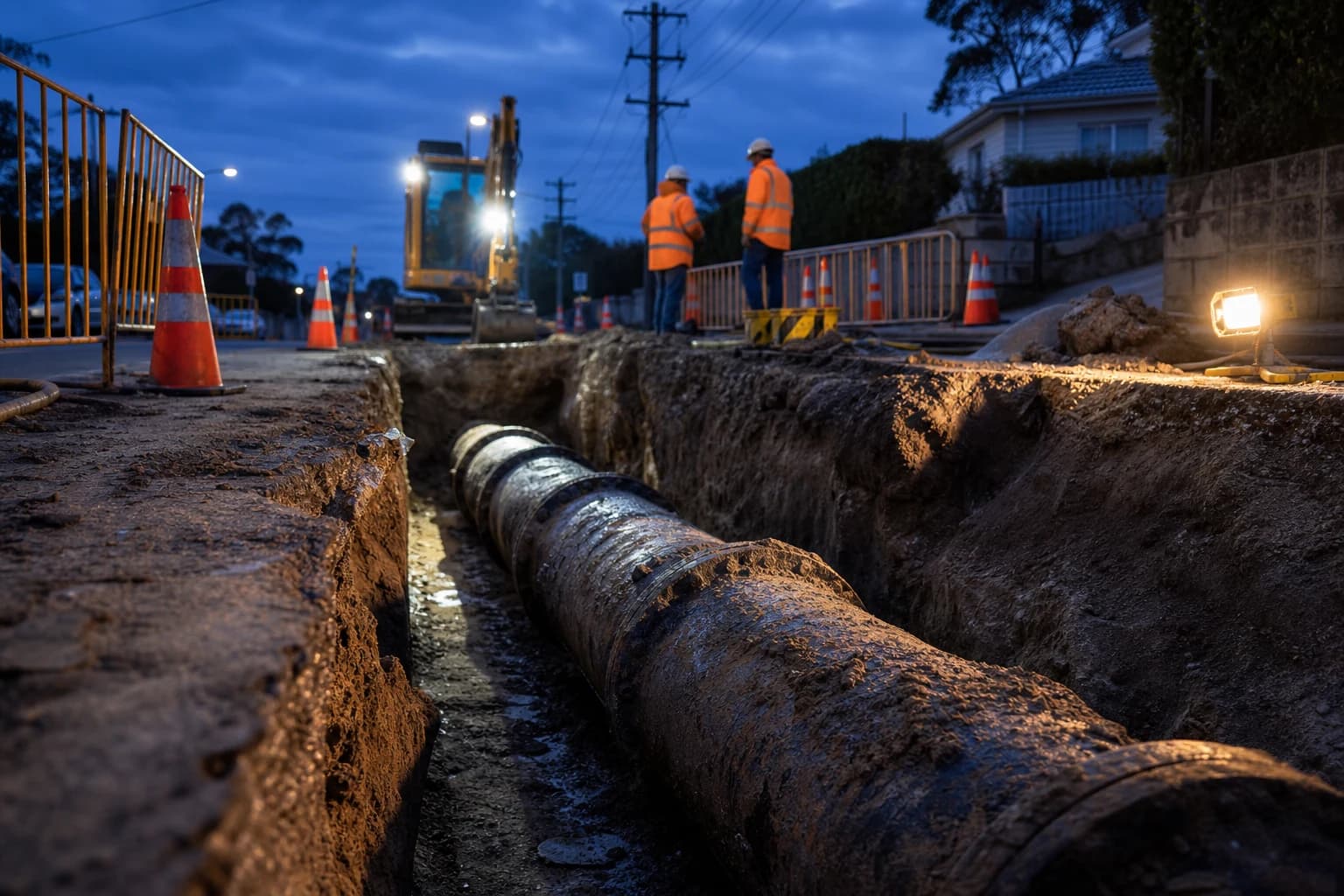
When Does a Water Main Need Renewal? 8 Signs Asset Owners Should Watch
Eight practical signs that a water main may need renewal — from break patterns and condition assessment results to pressure pipeline upgrade triggers, water pipe replacement economics, and live-network planning for NSW asset owners.
Asset lifecycle
Eight signs and what to do next
On this page
Asset owners managing drinking-water networks across Sydney and NSW often ask a practical question: when does water main renewal make more sense than another round of spot repairs? The answer is rarely a single pipe age threshold. It is a pattern of performance, risk, and programme economics that becomes visible long before a catastrophic failure.
This checklist outlines eight signs that water asset renewal should move from background planning to an active programme decision. It is written for utilities, councils, contractors supporting capital works, and private asset owners who need defensible timing — not alarmist replacement by default.
If you are new to lifecycle delivery, pair this guide with what a water infrastructure contractor does in Sydney and the four waters explained for broader context on how potable assets fit within network programmes.
Why timing water main renewal matters for asset owners
Deferring renewal can feel prudent when capital budgets are tight. In practice, ageing mains often consume more operations budget through emergency call-outs, traffic disruption, claims, and reputational damage than a planned programme would have cost.
Well-timed renewal also creates space for better methods — staged isolations, trenchless options where suitable, and coordinated corridor works that share access with stormwater or road upgrades. Reactive replacement after failure rarely offers that flexibility.
Coreflow supports water asset renewal and rehabilitation with live-network methodology that keeps communities supplied while assets are improved — but the business case still starts with recognising the signs early.
Eight signs your water main may need renewal
Use these indicators as conversation starters with your engineering, operations, and delivery teams. One sign alone may not justify renewal; several together usually do.
1. Rising break frequency or unplanned outages. If the same main or corridor records multiple failures within a short window, you are often funding repeated mobilisation for a systemic problem — not isolated bad luck.
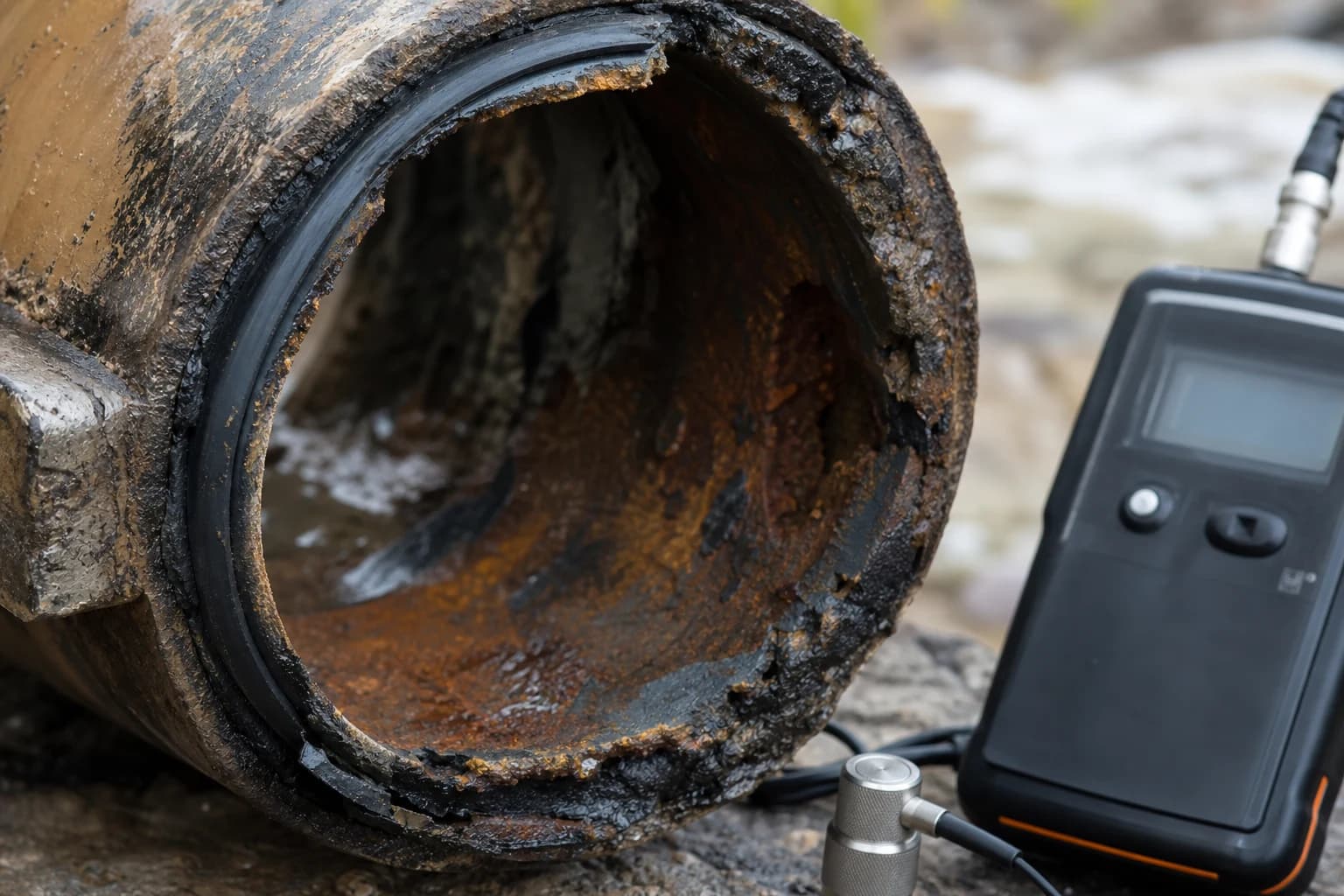
2. Visible corrosion, tuberculation, or joint distress. Exposed pipe during repairs may show pitting, graphitisation, gasket extrusion, or movement at joints. Photos from each repair build a condition library without waiting for a formal survey.
3. Age beyond expected service life for the pipe material. Cast iron, asbestos cement, early PVC, and older ductile iron each carry different durability profiles. Age is not destiny, but it raises the prior probability that renewal should be scoped.
4. Pressure loss, discolouration, or water quality complaints. Customer-visible symptoms can trace back to tuberculation, leakage, or inadequate hydraulic capacity — especially where growth has outpaced original main sizing.
5. Condition assessment results flagging structural or leakage risk. When water main condition assessment programmes — CCTV where applicable, pressure logging, acoustic surveys, or targeted excavations — return high-risk ratings, renewal should be priced alongside repair options.
6. Hydraulic inadequacy for current or planned demand. Mains that cannot support fire flows, peak demand, or new development loads may need a pressure pipeline upgrade or upsizing, not repeated patching.
7. Repair costs trending toward replacement economics. Add emergency labour, traffic control, pavement damage, and repeat visits. When cumulative spend approaches a planned water pipe replacement allowance, renewal usually wins on whole-of-life cost.
8. Audit, compliance, or authority programme triggers. Regulatory reviews, drought resilience planning, or capital efficiency targets often force portfolio decisions. Assets with multiple risk signs should rank highly in those submissions.
How water main condition assessment informs renewal timing
A structured water main condition assessment converts scattered repair history into prioritised renewal candidates. Good programmes combine asset records, failure GIS layers, field inspection, and targeted testing — then score risk consistently so operations and capital teams share one view.
Assessment should answer practical questions: Is the pipe structurally sound? Are joints and fittings the weak point? Is leakage chronic or localised? Can bedding or third-party damage explain recent failures? Without that clarity, renewal scopes swing between over-replacement and under-investment.
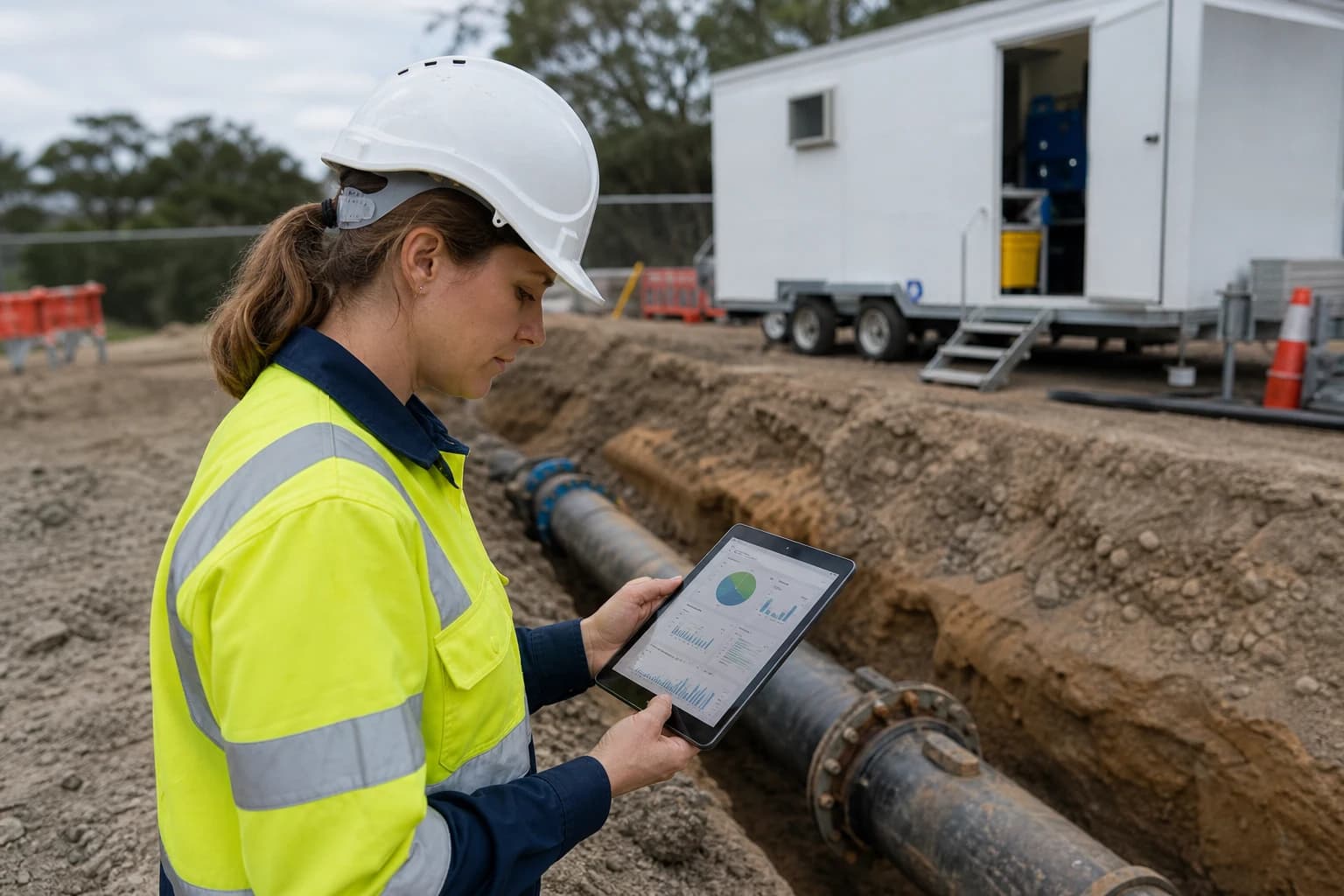
Coreflow supports inspection and condition assessment that feeds renewal planning — site proving, reporting, and technical input before delivery methods are locked in.
When water pipe replacement beats repeated spot repair
Water pipe replacement is not always the first lever. Localised clamps, joint repairs, or short inserts can extend service life when the surrounding main remains sound. Replacement becomes rational when defects are distributed, hydraulic performance is failing, or repair access is repeatedly destructive to pavements and services.
Compare open-cut replacement, pipe bursting, and slip-lining options against corridor constraints, depth, adjacent utilities, and outage tolerance. A renewal contractor should present method trade-offs in plain language — not default to the approach that suits their plant fleet best.
Document the decision. Asset owners who capture why repair was rejected protect themselves during audits and help future teams avoid repeating the same patch cycle.
Pressure pipeline upgrade triggers on ageing networks
Some renewal programmes are driven by performance as much as condition. A pressure pipeline upgrade may be required when zoning intensifies, storage zones change, or authority standards shift. Mains that were adequate at construction may no longer satisfy fire-flow or peak-hour demand.
Upgrades often coincide with valve rationalisation, hydrant spacing reviews, and tie-in works at critical nodes. Sequencing matters — upgrading a section without reviewing downstream constraints can move problems rather than solve them.
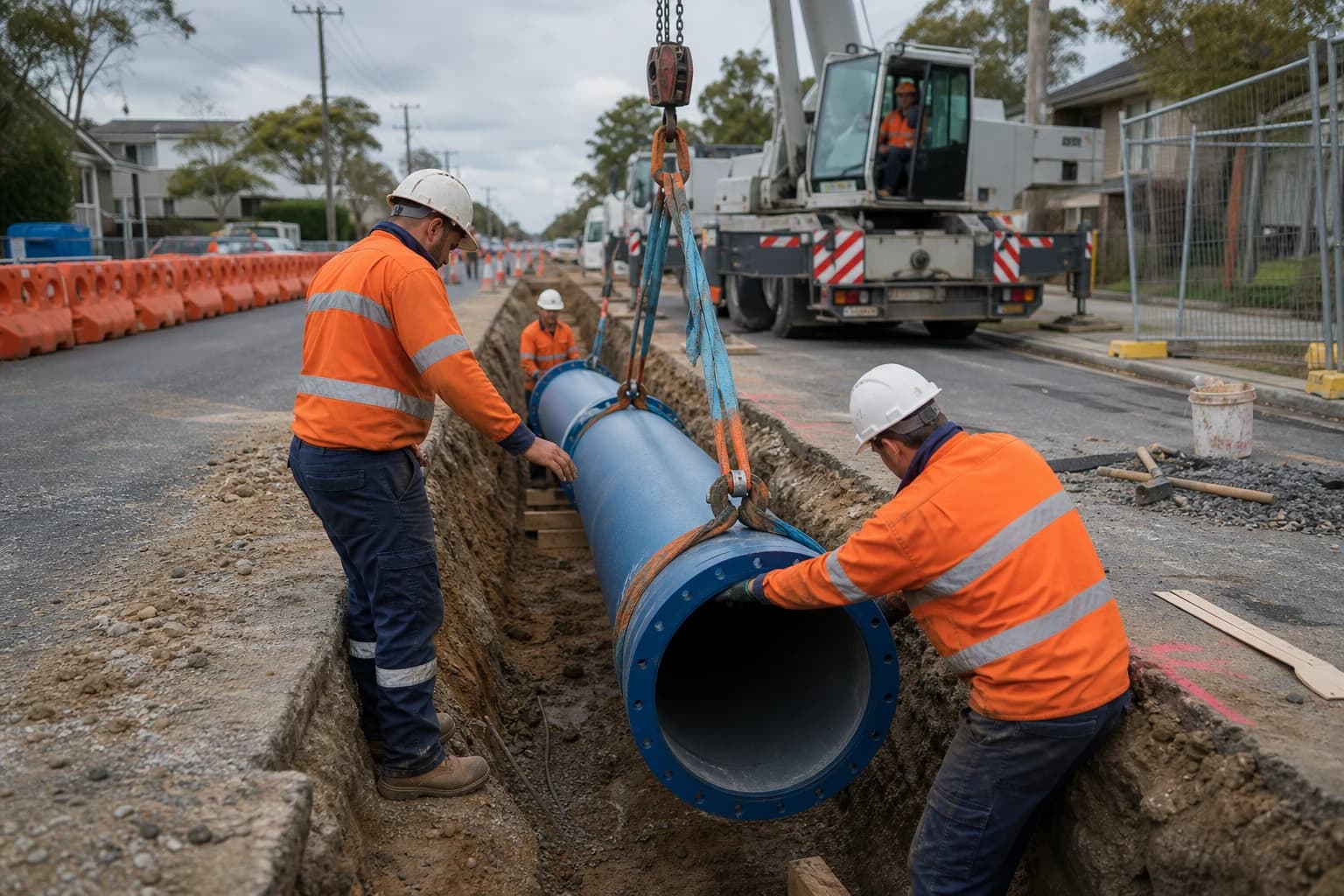
See potable water main construction and renewal for how pressure assets, valves, and live tie-ins are delivered on NSW programmes.
Delivering water asset renewal on live NSW networks
Water asset renewal on live networks demands isolation discipline, community communication, and reinstatement quality — not only pipe installation skill. Method statements should cover outage windows, bypass plans, chlorination or flushing protocols, and hold points before cover.
Programme managers should expect daily progress visibility, photo records, test sheets, and as-built updates suitable for handover — especially when renewal interfaces with road authorities or mixed utility corridors.

Coreflow's potable water main renewal project capability reflects live-network staging, safety-first controls, and practical site leadership on metropolitan and regional programmes.
Corridor, community, and reinstatement planning
Renewal impact is felt at the street level — access for residents, business deliveries, school zones, and bus routes. Early stakeholder mapping reduces complaints and helps secure realistic outage windows.
Reinstatement specifications should be agreed before excavation, not negotiated after backfill. Poor pavement or verge restoration generates follow-on costs that do not appear on pipe supply quotes.
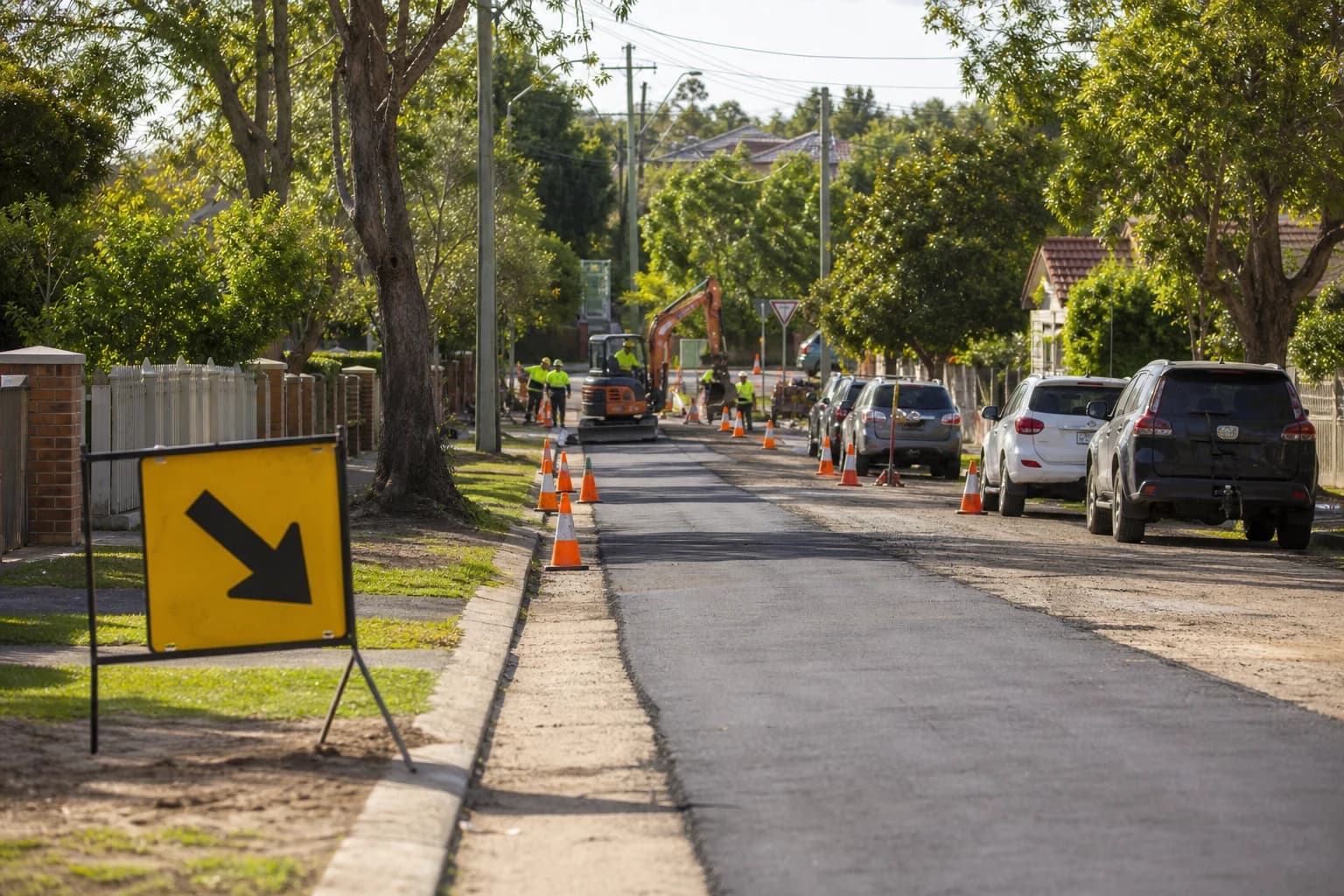
For broader lifecycle context — including sustainability and disruption management — see Coreflow's sustainability approach and how renewal extends asset life while keeping services running.
What to do when several signs align
If multiple signs apply to the same main or corridor, move through a short decision path:
Confirm asset identity, material, age, and failure history in one register — avoid decisions based on a single recent break.
Commission or refresh condition assessment on high-risk candidates before locking capital estimates.
Compare repair, rehabilitation, and replacement scenarios on whole-of-life cost, outage risk, and corridor impact.
Align renewal staging with other corridor works — road resurfacing, stormwater upgrades, or developer contributions.
Engage delivery partners early on method, accreditation fit, and live-network constraints.
Utilities, councils, and asset owners can review Coreflow's industry experience or contact our team with asset lists, assessment summaries, and target programme years for practical input.
Common questions
Frequently asked questions
When does a water main need renewal instead of repair?
Renewal is usually justified when break frequency is rising, condition assessment shows distributed defects, hydraulic performance is failing, or cumulative repair costs approach replacement economics. A single localised defect may still suit spot repair if the surrounding main remains sound.
What is included in a water main condition assessment?
Programmes typically combine asset records, failure history, field inspection, leakage investigation, pressure monitoring, and targeted excavations or internal surveys where applicable. The output should rank risk consistently and inform whether repair, rehabilitation, or replacement is the most defensible path.
How is a pressure pipeline upgrade different from like-for-like renewal?
Like-for-like renewal replaces or rehabilitates pipe to restore similar hydraulic function. A pressure pipeline upgrade increases capacity, improves fire-flow performance, or aligns the network with new demand or standards — often with larger diameters, valve changes, and revised operating zones.
Can water main renewal proceed without major service outages?
Many programmes use staged isolations, temporary bypasses, night works, and trenchless methods to limit outage duration. Complete avoidance is not always possible — the delivery plan should state expected outage windows, affected customers, and contingency controls before works begin.
Related pages