
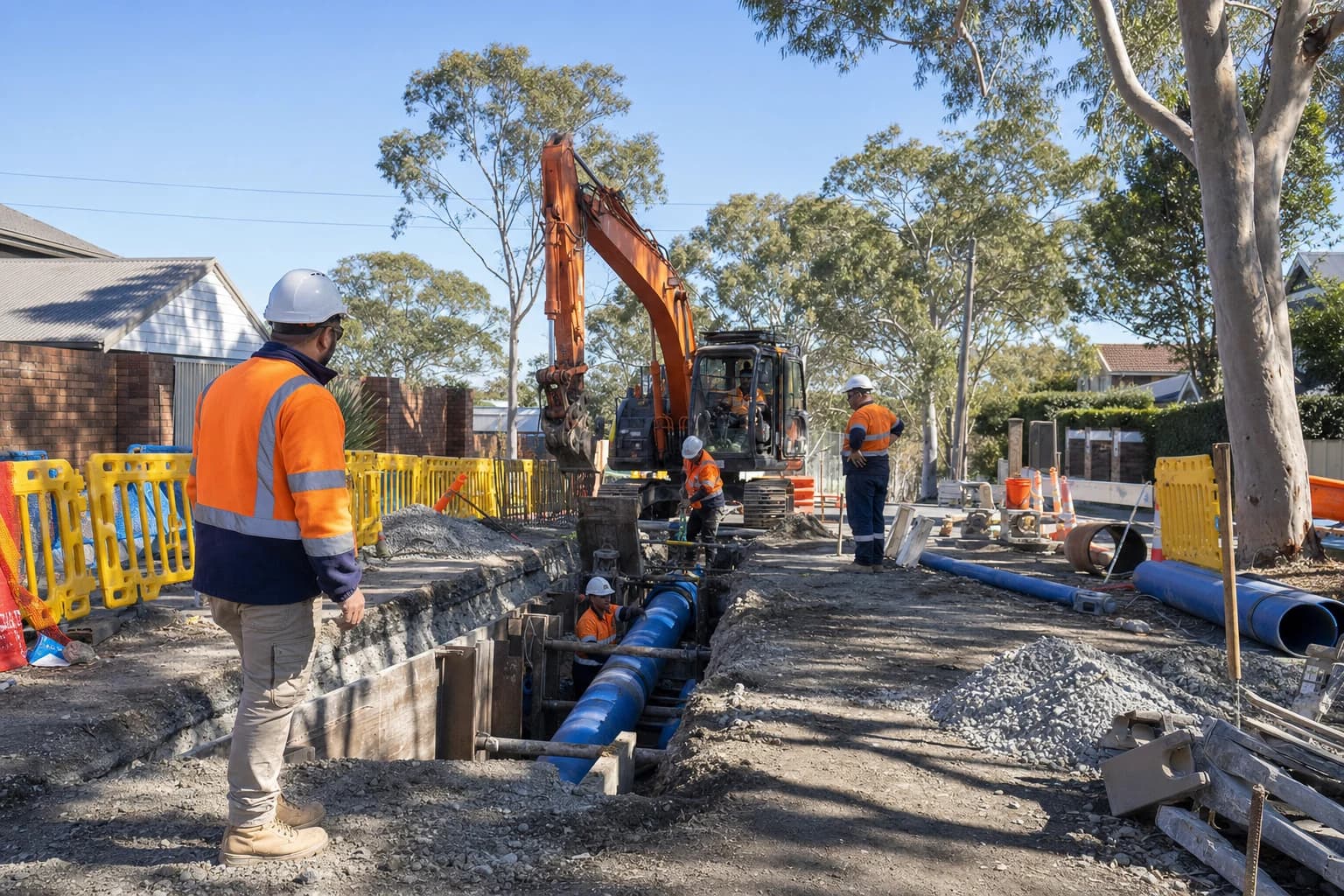
How to Choose a Water Authority Accredited Constructor in Sydney
A buyer guide for Sydney and NSW asset owners — how to evaluate water authority accredited constructor Sydney partners, Sydney Water listed provider context, major and minor works capability, and live-network delivery proof before you appoint.
Local Sydney & NSW
Accreditation, capability, and appointment checks
On this page
Appointing the water authority accredited constructor Sydney programmes depend on is one of the highest-risk procurement decisions an asset owner makes. The wrong partner can delay authority approvals, inflate outage windows, and leave documentation gaps that haunt handover — long after pipe is in the ground.
This buyer guide is for programme managers, procurement leads, and council officers who need a defensible shortlist — not a generic civil contractor search. It focuses on accreditation fit, major and minor works scope alignment, and evidence that a team can deliver on live Sydney and NSW networks.
For background on day-to-day delivery scope, read what a water infrastructure contractor does in Sydney before applying the selection criteria below.
What water authority accreditation means in Sydney and NSW
Water authority accreditation is a formal recognition that a constructor meets defined standards for quality, safety, environmental management, and field capability on drinking-water and wastewater networks. It is not a generic civil licence — it signals that systems, supervision, and works history align with authority expectations.
In Sydney metro contexts, procurement teams often encounter references to listed or accredited providers when scoping capital works, renewals, and developer-interface programmes. Requirements vary by contract framework, works class, and whether the scope is self-performed or subcontracted under a principal contractor.
Coreflow is positioned as a water authority accredited constructor for major and minor works across Sydney and NSW — see our about page for company context before engaging on programme-specific accreditation questions.
Major works constructor vs minor works constructor scope
Understanding the difference between a major works constructor and a minor works constructor is essential before you issue a tender or direct appointment. Major works typically cover larger-diameter mains, complex live tie-ins, extended outages, and higher consequence failure modes. Minor works often include localised connections, short renewals, valve and meter assemblies, and lower-complexity repairs — still on live networks, but with different supervision and documentation intensity.
Mismatch is common: appointing a minor-works-accredited team on a major programme creates approval risk; conversely, over-specifying major works capability for a small connection can inflate cost without adding safety value.
Your scope statement should state pipe sizes, outage tolerance, traffic management complexity, and authority hold points — then ask constructors to confirm accreditation class and reference projects that mirror those constraints.
Sydney Water listed provider checks and metro context
Many Sydney searches reference a Sydney Water listed provider because metro drinking-water and wastewater networks operate under authority rules for materials, inspections, connections, and documentation. Listed or accredited status is a starting filter — not the finish line.
Verify that the constructor's accreditation remains current for the works class you are procuring, and that key personnel — site supervisors, quality leads, and authorised signatories — are familiar with authority submission formats and inspection hold points.
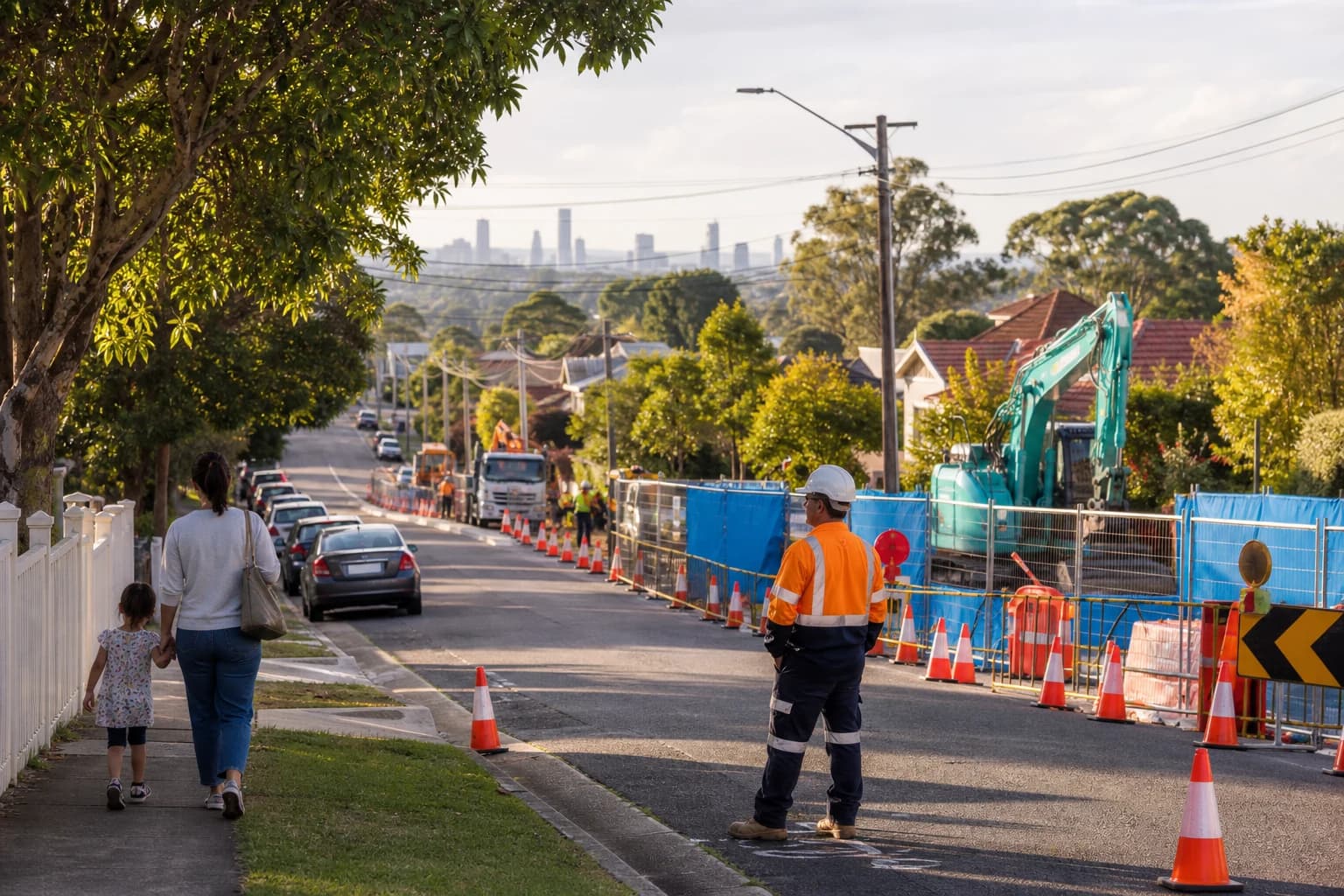
Metro programmes also intersect with potable water construction and renewal and wastewater rehabilitation capability — confirm four-water experience if your corridor mixes asset types.
Evaluating water infrastructure contractor Sydney capability
A capable water infrastructure contractor Sydney asset owners shortlist should demonstrate live-network delivery — not only greenfield trenching. Ask for examples of isolations, chlorination or flushing protocols, hygiene controls on sewer assets, and reinstatement standards on busy streets.
Review supervision models: who attends authority inspections, who signs test sheets, and how non-conformances are escalated. Contractors who treat documentation as an afterthought often struggle at practical completion.
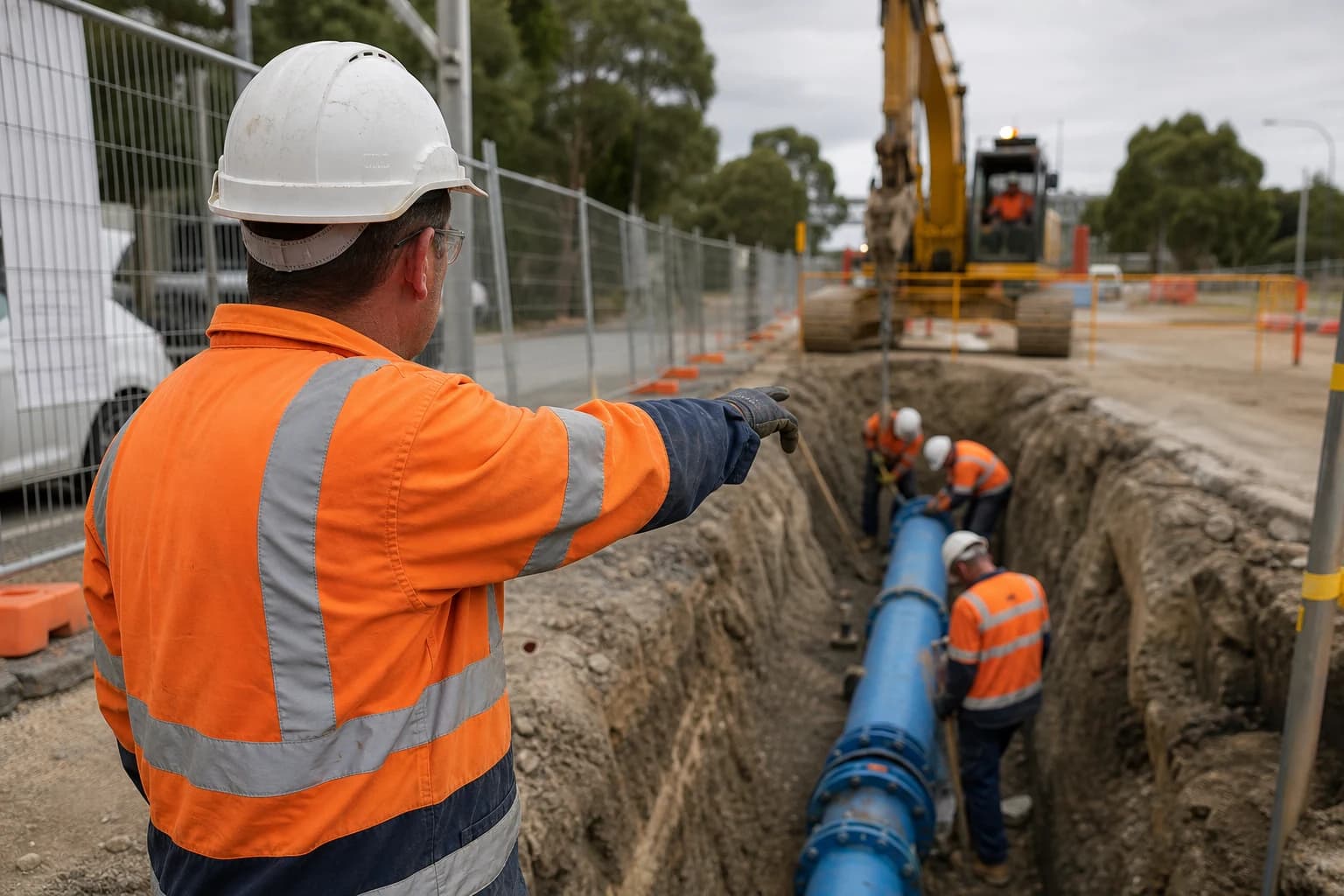
Tier-one and council programme leads can review industries we serve to see how Coreflow adapts delivery for water authorities, councils, contractors, and asset owners across NSW.
Evidence to request before appointment
Use a consistent evidence pack for every shortlisted constructor — comparable inputs make evaluation defensible at audit:
Current accreditation certificates or authority listing confirmation for the proposed works class.
Recent project references with similar pipe materials, depths, and live tie-in complexity (respecting confidentiality where required).
Safety statistics, incident learnings, and examples of isolation permits or method statements from comparable programmes.
Quality and environmental management system certifications relevant to your contract framework.
Supervisor resumes and authority inspection attendance records for critical hold points.
Pricing assumptions stated clearly — outage windows, traffic control, dewatering, and reinstatement standards included or excluded.
Major works programmes — technical and outage proof points
Major works appointments should be supported by engineering engagement, not only commercial responses. Look for constructability input during design review, clear sequencing for tie-ins, and contingency planning when field conditions differ from drawings.
Outage communication plans matter as much as pipe specifications. Constructors should articulate customer impact, bypass options, and escalation paths when isolations slip.

See potable water main renewal capability for how live-network major renewal programmes are staged across Sydney and regional NSW.
Accreditation compliance in the field
Accreditation fails in practice when field teams bypass hold points, reuse outdated method statements, or subcontract sensitive scopes without authority alignment. During pre-start meetings, ask how the constructor inducts labour hire, verifies service locations, and audits subcontractor compliance.
Hygiene discipline on wastewater assets and pressure testing rigour on potable tie-ins are common audit findings — your constructor should describe controls without prompting.

For renewal and inspection context that often precedes major appointments, see when a water main needs renewal and inspection and condition assessment services.
Procurement shortlisting without defaulting to lowest price
Panel arrangements and negotiated tenders tempt teams toward lowest headline rates. On live water networks, whole-of-life cost usually favours constructors with fewer inspection failures, cleaner handover, and lower emergency rework.
Score capability, methodology, and reference quality before price. Weight accreditation fit and live-network experience heavily for high-consequence scopes.
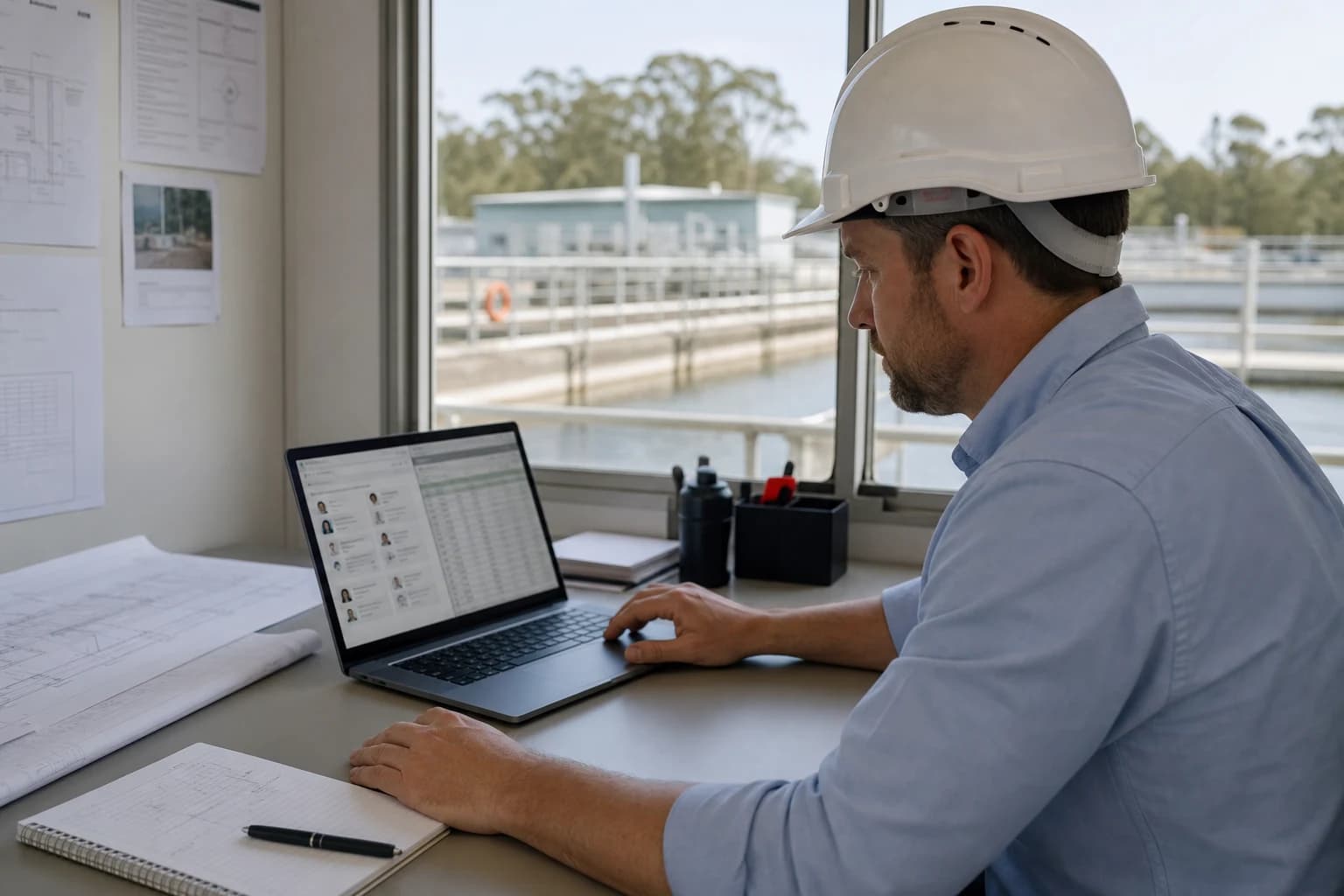
When you are ready to compare programmes, contact Coreflow with scope summaries, target accreditation class, and programme location — or review frequently asked questions on accreditation and four-water delivery.
Appointment checklist for Sydney and NSW programmes
Before you sign, confirm:
Accreditation class matches scope — major vs minor works clearly addressed.
Authority or listed provider status verified for the asset owner and contract framework.
Method statements and outage plans reviewed against your programme constraints.
Inspection and test documentation templates align with authority submission requirements.
Reinstatement, traffic management, and community communication responsibilities assigned.
Commercial terms reflect realistic outage windows and contingency allowances.
Coreflow delivers water infrastructure construction, renewal and rehabilitation, and maintenance and repairs for accredited programmes across Sydney and NSW — with ISO-certified management systems supporting field delivery.
Common questions
Frequently asked questions
What is a water authority accredited constructor in Sydney?
A water authority accredited constructor is a civil utility contractor recognised for meeting authority standards on quality, safety, environmental management, and field capability for drinking-water and wastewater works. Accreditation classes typically distinguish major and minor works scopes — confirm the class required for your programme before appointment.
Is a Sydney Water listed provider the same as an accredited constructor?
Listed or accredited status is often used interchangeably in metro Sydney procurement language, but requirements vary by works type and contract. Treat listing as a baseline filter — then verify current accreditation, supervisor experience, and live-network references for your specific scope.
When do I need a major works constructor instead of minor works?
Major works constructors are generally required for higher-complexity scopes — larger diameters, critical mains, extended outages, and complex live tie-ins. Minor works accreditation may suit localised connections and shorter renewals. Your scope statement and authority conditions should define the required class.
How should I compare water infrastructure contractors in Sydney?
Compare accreditation fit, live-network references, inspection pass quality, documentation discipline, supervision models, and methodology — not headline rates alone. Request consistent evidence packs from each shortlisted constructor so evaluation is defensible at audit.
Related pages